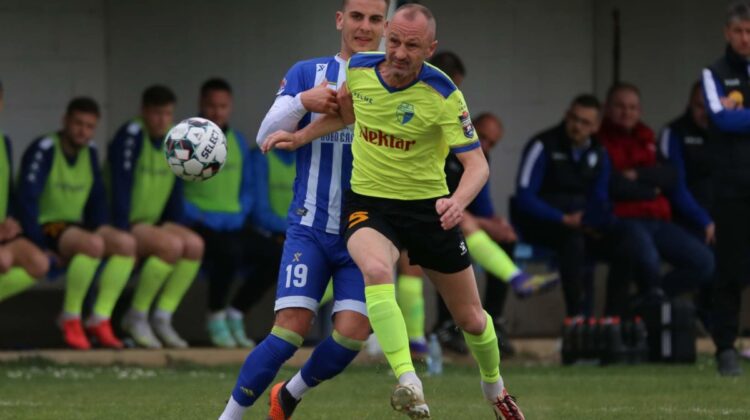
I SLAVIJA U PROLJEĆNOJ MIŠOLOVCI TEKSTILCA!

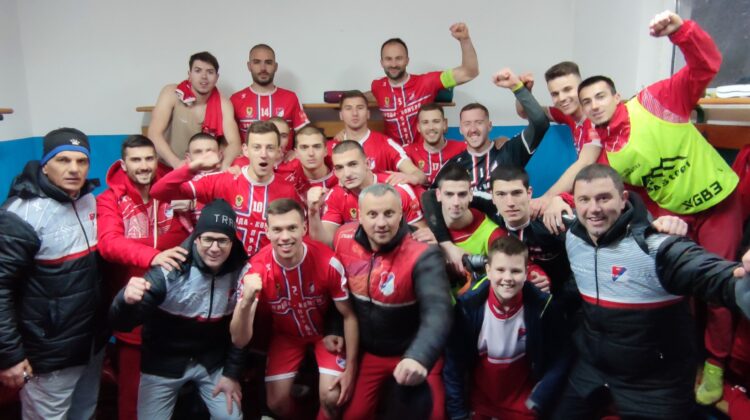
Fudbaleri Tekstilca nastavili su odličnu formu ovog proljeća slavljem nad Slavijom iz Istočnog Sarajeva (2:0) u 20. kolu Prve lige Republike Srpske. Ovo je četvrta …




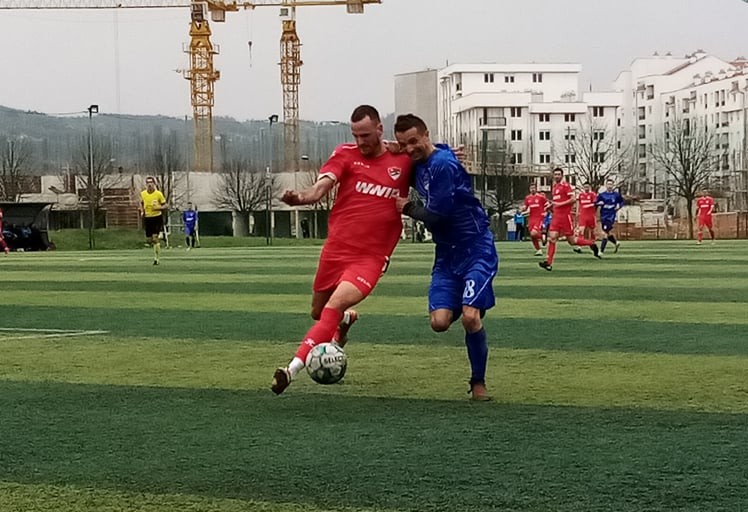

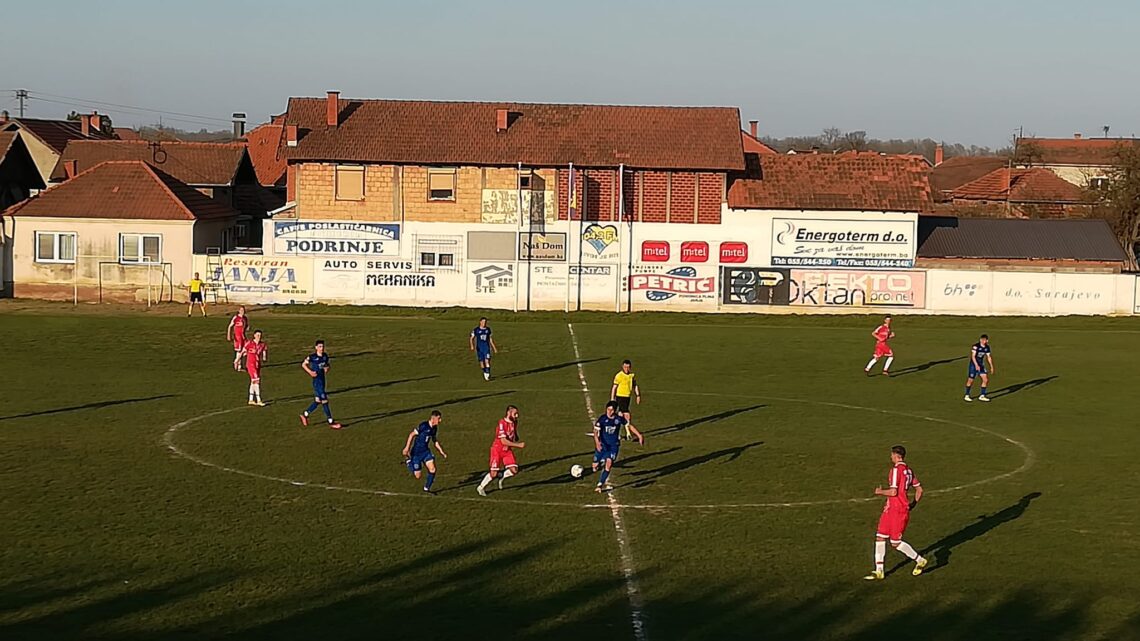

Fudbaleri Tekstilca nastavili su odličnu formu ovog proljeća slavljem nad Slavijom iz Istočnog Sarajeva (2:0) u 20. kolu Prve lige Republike Srpske. Ovo je četvrta …
Katastrofa Želje na “Lukama”! Ni najveći optimisti Sloge nisu mogli očekivati da će njihov tim zgromiti najmlađi sastav lige, i to sa visokih 8:0. Izabranici …

U prvom kolu amaterskog Kupa regija, na pomoćnom terenu Gradskog stadiona, PFS Banjaluka je savladala PFS Prijedor (1:0). Izuzetno zanimljiva utakmica u kojoj je pobjednik …

Nedavno je na manifestaciji “Dan fudbala Republike Srpske” Milorad Dodik, srpski član Predsjedništva BiH, najavio gradnju Nacionalnog stadiona u Banjaluci, a Vlada Republike Srpske u …

Sjajni Borislav Mikić i dalje čuva vrh za FSA Prijedor na regionalnom Zapadu. Ovaj put savladali su Crni vrh (5:1) uz još jednu majstoriju Mikića. …

Malo treba da se otvore fudbalske radosti, a takvo stanje danas vlada u Skugriću, lideru regionalnog Centra. Dobar ambijent i dolazak na mjesto predsjednika kluba …

Duel Krupe i Kozare, koji se trebao igrati u srijedu u Krupi na Vrbasu, odgođen je, na zahtjev domaće ekipe! Naime, lider šampionata Srpske našao …

Fudbaleri Skugrića pobjedom u Kožuhama od 3:1 stigli su do prvog mjesta na tabeli Regionalne lige RS, grupa “centar”. Najbliži pratilac, Hajduk iz Batkuše poražen …
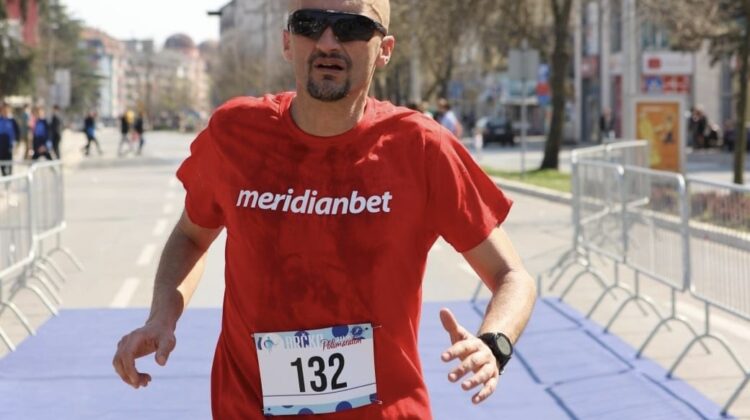
U Brčkom je održan prvi međunarodni polumaraton, u organizaciji Atletskog kluba Kros na čelu sa Davorom Todorovićem.Mlađen Samardžić iz Atletskog kluba Maraton Brčko i Slađana Stamenković iz Atletskog …

Vodeće ekipe na regionalnom “istoku” nastavljaju trku utroje. Trnovica je bez većih problema savladala brčansku Lokomotivu, Omladinac je slavio u Lokanju, a Podrinje u Tabancima. …